The Fleet Manager’s Ultimate Guide to Summer Cooling System Care
Summer heat can push heavy-duty truck cooling systems to their limits. Discover the maintenance strategies fleet managers use to prevent overheating, reduce breakdowns, protect engines, and keep trucks moving reliably through the hottest months of the year.
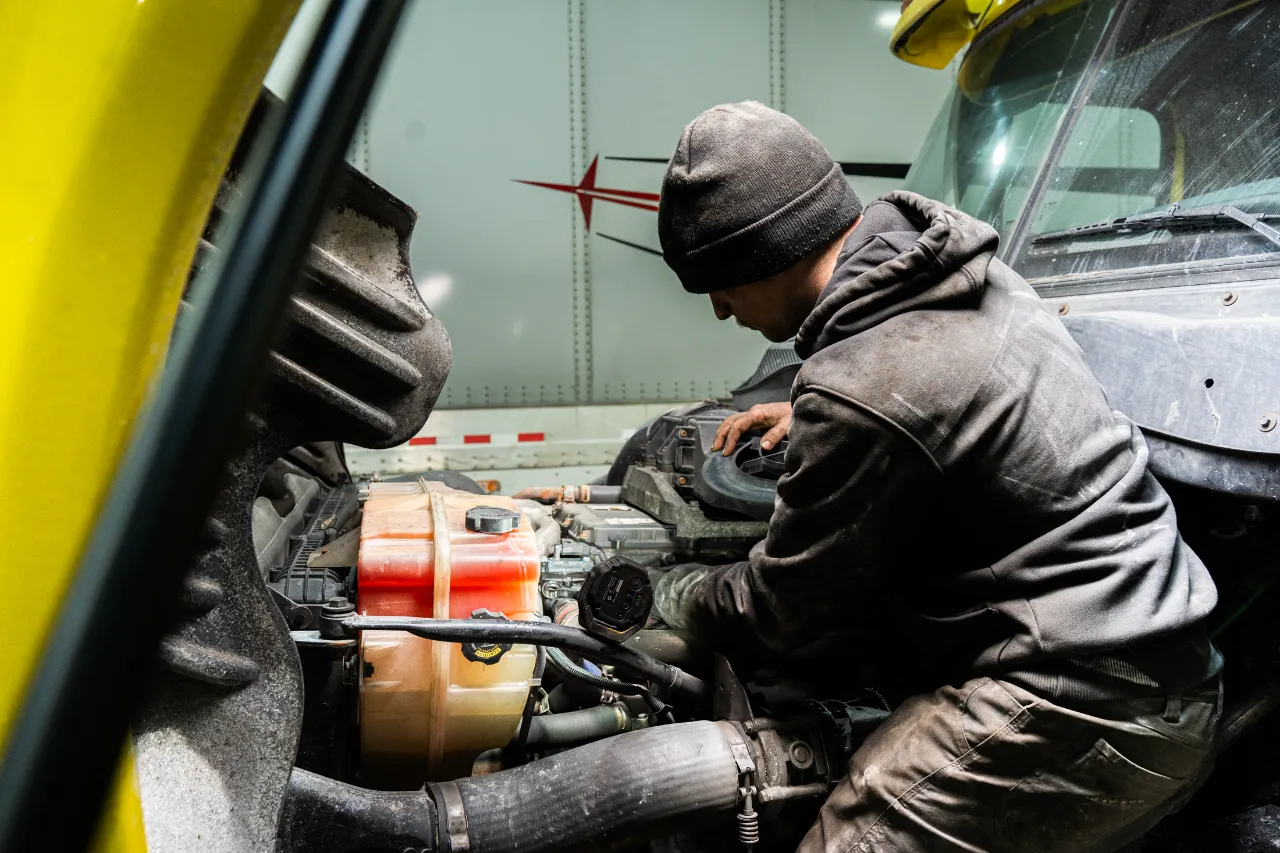
Summer cooling system care helps fleet managers prevent overheating, reduce costly downtime, and extend engine life. By maintaining coolant, radiators, fan clutches, water pumps, and cooling components before temperatures spike, fleets can improve reliability, protect performance, and keep trucks operating efficiently all season long.
Why Summer Places Extra Stress on Your Cooling System
Diesel engines naturally operate at high temperatures. During summer, several factors amplify cooling system demands:
- Higher ambient air temperatures reduce cooling efficiency.
- Increased air conditioning use increases engine load.
- Heavy hauling generates more engine heat.
- Stop-and-go traffic reduces airflow through the radiator.
- Long uphill grades force engines to work harder.
When these conditions combine, any weakness in the cooling system can become a major problem.
That's why fleet managers should treat summer semi truck cooling system maintenance as a top priority rather than an afterthought.
Understanding Your Truck’s Cooling System
Before diving into maintenance, it's helpful to understand the major components involved.
Radiator
The radiator serves as the primary heat exchanger. Hot coolant flows from the engine into the radiator, where it releases heat into the surrounding air. Proper airflow is critical for efficient operation.
Engine Coolant
Engine coolant circulates throughout the engine, absorbing heat before carrying it to the radiator. Over time, coolant degrades and loses its ability to transfer heat effectively. Regular testing and replacement are essential.
Water Pump
The water pump continuously moves coolant through the engine and cooling system. Without proper circulation, engine temperatures can rise rapidly.
Cooling Fan and Fan Clutch
The cooling fan increases airflow through the radiator, especially at low speeds. The fan clutch engages and disengages the fan based on temperature and cooling demand. A malfunctioning fan clutch is a common cause of summer overheating.
Oil Cooler
Many heavy-duty engines use an oil cooler to help remove heat from engine oil. Since engine oil also absorbs heat during operation, cooling it improves overall engine performance.
Transmission Cooler
The transmission cooler helps dissipate heat generated by transmission fluid. This is especially important when hauling heavy loads during hot weather.
Warning Signs of Cooling System Problems
Catching issues early can save thousands in repair costs.
Watch for these common warning signs:
Rising Engine Temperatures
An engine running hotter than normal often signals reduced cooling efficiency. Even minor temperature increases deserve attention.
Coolant Leaks
Puddles beneath trucks or frequent coolant top-offs may indicate leaks from hoses, radiators, water pumps, or fittings.
Fan Clutch Issues
If drivers report excessive engine temperatures during idle periods or traffic congestion, a failing fan clutch could be the culprit.
Low Coolant Levels
Consistently low coolant levels may indicate leaks or improper maintenance practices.
Steam or Coolant Odors
Visible steam or a sweet coolant smell should never be ignored. These symptoms often point to overheating or coolant loss.
Essential Summer Cooling System Maintenance Checklist
A proactive maintenance schedule dramatically reduces the risk of overheating-related breakdowns.
Inspect Coolant Levels and Condition
Check coolant levels regularly throughout the summer season.
Look for:
- Proper fill levels
- Correct coolant colour
- Signs of contamination
- Sediment or debris
Old or contaminated coolant system fluid loses its ability to absorb and transfer heat efficiently.
Test Coolant Protection Levels
Use coolant test strips or refractometers to verify:
- Freeze protection
- Boil-over protection
- Chemical balance
Proper coolant chemistry helps prevent corrosion and improves heat transfer performance.
Inspect Radiator Fins
Road debris, bugs, dirt, and dust frequently accumulate on radiator surfaces.
Inspect for:
- Bent fins
- Blockages
- Corrosion
- Damage
Cleaning radiator fins improves airflow and boosts cooling performance.
Check Hoses and Clamps
Summer heat accelerates hose deterioration.
Inspect all coolant hoses for:
- Cracks
- Bulges
- Soft spots
- Abrasion damage
Replace questionable hoses before they fail.
Evaluate Water Pump Performance
A worn water pump may leak coolant or fail to maintain proper circulation.
Look for:
- Coolant seepage
- Bearing noise
- Shaft wobble
- Reduced coolant flow
Addressing water pump issues early helps prevent catastrophic overheating.
Test Fan Clutch Operation
A properly functioning fan clutch is critical during hot weather.
Watch for:
- Delayed fan engagement
- Excessive free-spinning
- Unusual noises
- Persistent overheating during low-speed operation
Inspect Belts
The cooling system relies on belts to drive components such as the water pump.
Check belts for:
- Cracking
- Fraying
- Glazing
- Improper tension
Replacing worn belts is inexpensive compared to the cost of an overheated engine.
The Hidden Cost of Overheating
Some fleet managers view cooling system maintenance as a routine expense. In reality, neglecting it often leads to far higher costs.
An overheating event can result in:
- Blown head gaskets
- Cylinder head damage
- Engine derates
- Lost productivity
- Towing expenses
- Emergency roadside repairs
Even a single overheating incident can sideline a truck for days while repairs are completed.
For fleets operating on tight schedules, downtime often costs more than the repair itself.
Driver Education Matters
Your maintenance department isn't the only line of defense.
Drivers play a crucial role in preventing cooling system failures.
Train operators to:
- Monitor temperature gauges regularly
- Report coolant leaks immediately
- Watch for warning lights
- Avoid ignoring overheating symptoms
- Conduct thorough pre-trip inspections
When drivers understand the importance of the engine cooling system, small problems are far more likely to be addressed before they become major failures.
Creating a Summer Preventive Maintenance Strategy
Successful fleets don't wait for breakdowns to occur.
A strong preventive maintenance program should include:
Monthly Cooling System Inspections
Perform detailed inspections throughout the summer months to identify developing issues.
Scheduled Coolant Testing
Monitor coolant condition according to manufacturer recommendations.
Component Replacement Planning
Replace aging components proactively rather than waiting for failures.
Maintenance Record Tracking
Document all inspections, repairs, coolant services, and component replacements.
Accurate records help identify recurring issues and improve long-term fleet reliability.
Keep Your Fleet Running Cool All Summer Long
Summer heat can be relentless, but cooling system failures don't have to be inevitable. By prioritizing cooling system maintenance, monitoring key components, and following a structured preventive maintenance schedule, fleet managers can significantly reduce downtime and protect their equipment investment.
Regular inspections, proper coolant management, radiator maintenance, and prompt repairs all help keep your trucks operating efficiently as temperatures rise. The effort you invest today can help prevent costly repairs and unexpected breakdowns tomorrow.
More Articles
.avif)
Contact Diesel Truck Repair LLC
We provide a wide range of diesel mechanic services for light to heavy-duty trucks & commercial fleet vehicles, both from our shop in Circleville, Ohio, & via mobile service to the surrounding 50 mile radius. Call now to request a quote and to request service!