Avoid These Costly Fleet Maintenance Mistakes This Summer
Think your fleet is ready for summer? Hidden maintenance mistakes can lead to breakdowns, missed deliveries, and expensive repairs. Discover the most common warm-weather fleet issues and the proactive steps that keep trucks on the road and profits intact.
.avif)
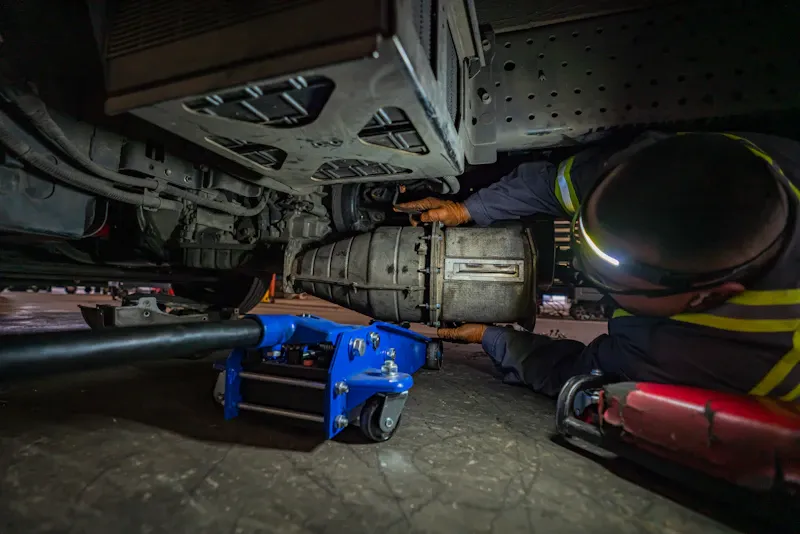
Summer heat can quickly expose weaknesses in your fleet, leading to overheating engines, tire failures, brake issues, and costly downtime. Avoiding common maintenance mistakes through regular inspections, fluid checks, and preventive service helps keep your trucks reliable, safe, and productive throughout the busiest months of the year.
Why Summer Is Hard on Heavy-Duty Fleets
Heat affects nearly every major system in a heavy-duty truck. Engines generate significant heat during normal operation, and high ambient temperatures make it more difficult for cooling systems to keep everything within safe operating ranges. Coolant systems, engine oil, transmission components, batteries, tires, and air conditioning systems all face additional strain during the summer months.
Proper preventive maintenance helps reduce the risk of failures and extends the life of critical components.
Mistake 1: Ignoring Cooling System Inspections
One of the biggest mistakes fleet operators make is assuming their cooling systems are ready for summer without a thorough inspection.
Your truck's cooling system relies on engine coolant, the radiator, water pump, cooling fan, and fan clutch to transfer heat away from the engine. As coolant ages, its ability to absorb and dissipate heat declines, increasing the risk of overheating.
Signs of cooling system problems include:
- Rising engine temperatures
- Coolant leaks
- Low coolant levels
- Frequent fan operation
- Steam or overheating warnings
Before summer temperatures peak, inspect coolant levels, hoses, belts, clamps, and radiator condition. Catching a minor issue early is far less expensive than replacing a damaged engine.
Mistake 2: Skipping Routine Fluid Checks
Fluids are the lifeblood of your fleet. Unfortunately, many operators wait until problems appear before checking them.
Key fluids that require regular monitoring include:
- Engine oil
- Coolant
- Transmission fluid
- Gear oil
- Power steering fluid
- Diesel Exhaust Fluid (DEF)
Engine oil not only lubricates moving parts but also helps absorb and remove heat from the engine. Transmission fluid and gear oil reduce friction while protecting driveline components from excessive wear. When fluid levels drop or fluids become contaminated, components can overheat and fail prematurely.
Establishing a consistent fluid inspection schedule can significantly reduce repair costs and downtime.
Mistake 3: Overlooking Tire Maintenance
Summer heat causes air inside tires to expand, increasing pressure and accelerating wear. Combined with heavy loads and long highway miles, neglected tires can become a serious safety hazard.
Common tire-related mistakes include:
Running Incorrect Tire Pressures
Underinflated tires generate excess heat and wear unevenly. Overinflated tires reduce traction and create harsher ride conditions.
Ignoring Tread Wear
Uneven wear patterns and depth often indicate suspension or alignment issues that should be addressed immediately.
Failing to Inspect for Damage
Cuts, punctures, sidewall damage, and embedded debris can quickly lead to blowouts during hot weather.
Regular inspections help maximize tire life while improving fuel efficiency and driver safety.
Mistake 4: Neglecting Transmission Maintenance
Transmission systems depend on proper lubrication and cooling to operate efficiently. Low fluid levels, worn components, or overheating can lead to hard shifting, slipping gears, and costly transmission repairs. Transmission coolers help regulate fluid temperatures and prevent damage during demanding operating conditions.
Fleet managers should monitor transmission performance and schedule inspections whenever drivers report unusual shifting behaviour.
Mistake 5: Delaying Air Conditioning Repairs
Many fleets postpone A/C repairs until a complete failure occurs. Unfortunately, waiting often turns a small refrigerant leak or worn component into a larger repair.
A properly functioning climate control system helps:
- Improve driver comfort
- Reduce fatigue
- Increase focus and concentration
- Enhance overall driving safety
Addressing air conditioning issues early can prevent costly downtime during the hottest weeks of summer.
Mistake 6: Failing to Monitor Battery Health
Many people associate battery failures with winter, but summer heat can be just as damaging.
Excessive temperatures accelerate internal battery degradation and increase fluid evaporation. Older batteries are particularly vulnerable during prolonged periods of high heat.
Watch for:
- Slow engine cranking
- Corroded terminals
- Electrical system irregularities
- Warning lights
Regular battery testing can identify weak units before they leave a truck stranded on the side of the road.
Mistake 7: Ignoring Brake System Inspections
Your fleet's air brake system is one component you can never afford to neglect.
Heavy-duty trucks rely on compressed air systems that include air compressors, air dryers, service chambers, slack adjusters, brake shoes, and brake drums. These components work together to safely stop the vehicle.
Summer maintenance should include inspections for:
- Air leaks
- Worn brake shoes
- Damaged airlines
- Improper slack adjuster operation
- Moisture contamination
Routine brake inspections help ensure compliance, improve safety, and reduce the risk of expensive repairs.
Mistake 8: Waiting for Breakdowns Instead of Scheduling Preventive Maintenance
Many fleet operators wait until a truck breaks down before addressing maintenance concerns. While this approach may seem cost-effective in the short term, it often results in:
- Emergency roadside repairs
- Increased downtime
- Missed deliveries
- Higher repair costs
- Reduced equipment lifespan
A structured fleet maintenance program focuses on identifying issues before they become major failures. Regular inspections, fluid services, brake checks, cooling system evaluations, and component monitoring all contribute to better fleet reliability. Preventive maintenance is specifically designed to reduce breakdowns and extend vehicle life.
Mistake 9: Not Paying Attention to Driver Reports
Your drivers spend more time with the trucks than anyone else.
When drivers report unusual noises, vibrations, warning lights, shifting issues, or temperature fluctuations, those concerns should never be ignored.
Minor symptoms often indicate developing problems that can be corrected before they become catastrophic failures. Encouraging clear communication between drivers and maintenance personnel helps fleets catch problems earlier and reduce repair costs.
Building a Summer Fleet Maintenance Strategy
Successful fleet operators don't wait for problems to happen. Instead, they prepare for summer by creating a proactive maintenance plan that includes:
- Scheduled inspections
- Fluid analysis and replacement intervals
- Cooling system maintenance
- Tire monitoring
- Brake inspections
- Battery testing
- Air conditioning service
- Driver reporting procedures
A proactive approach minimizes downtime, improves safety, and helps keep operating costs under control.
Keep Your Fleet Running Smoothly All Summer Long!
Summer conditions can expose weaknesses throughout your fleet, from cooling systems and transmissions to tires and brakes. By avoiding common mistakes like neglecting fluid checks, delaying repairs, skipping inspections, and postponing preventive maintenance, you can reduce breakdowns and keep your trucks running all season long.
Investing in routine maintenance today often prevents far more expensive repairs tomorrow, helping your fleet stay productive, reliable, and profitable during the busiest months of the year.
More Articles
.webp)
.avif)
Contact Diesel Truck Repair LLC
We provide a wide range of diesel mechanic services for light to heavy-duty trucks & commercial fleet vehicles, both from our shop in Circleville, Ohio, & via mobile service to the surrounding 50 mile radius. Call now to request a quote and to request service!