Why Your Semi-Truck Keeps Asking for a Regen in Circleville, OH
Repeated regen requests can point to more than a dirty filter. Learn why a semi-truck keeps asking for regen, how driving conditions and sensor faults play a role, and when Circleville drivers should schedule DPF diagnostics.
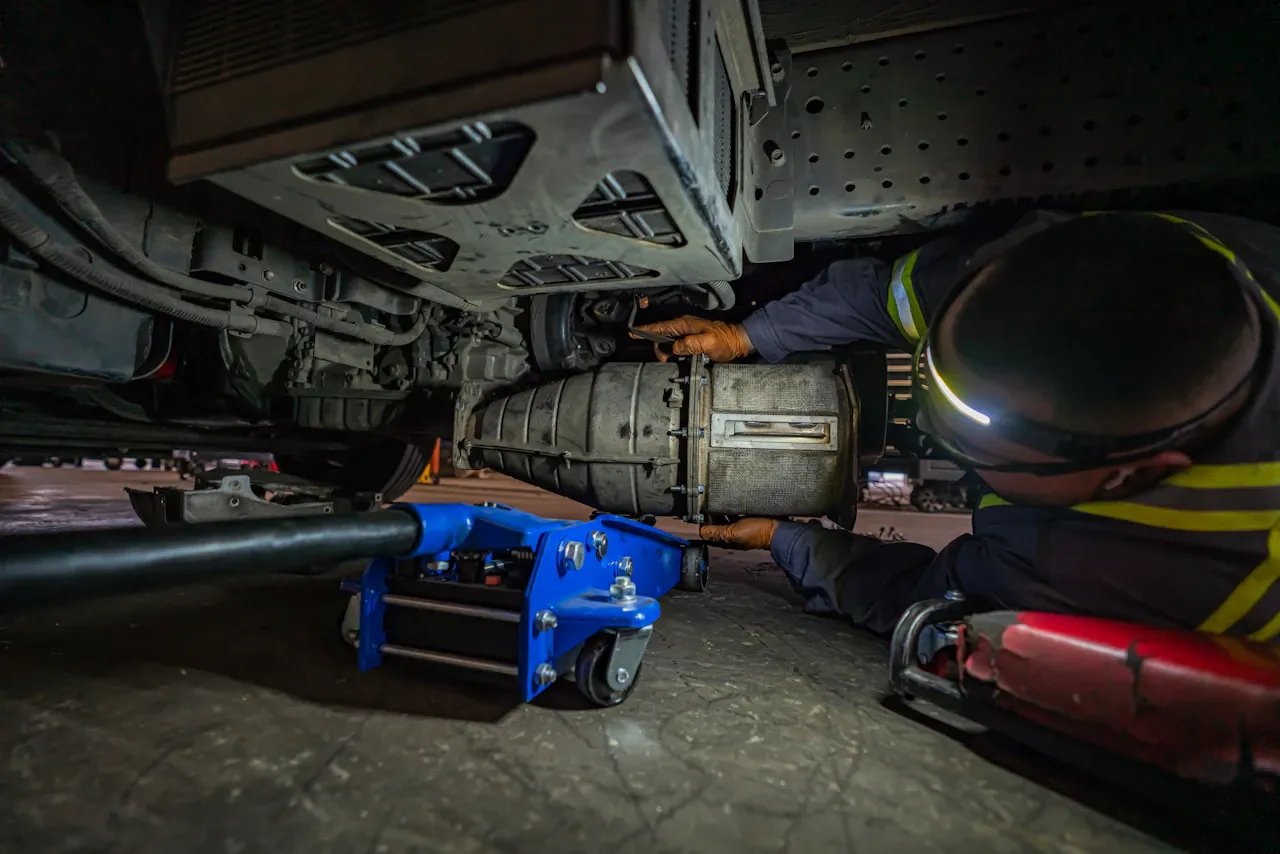
The regen light disappears, the truck gets back on the road, then the same request pops up again. That cycle gets old fast. A semi-truck keeps asking for regen when soot builds too quickly, regeneration cannot finish properly, or the aftertreatment system receives inaccurate information.
Repeated DPF regen requests deserve more than another button press. Proper EGR and DPF repair can uncover the fault causing the cycle and help prevent another interruption.
Why Does a Semi-Truck Keep Asking for Regen?
Your diesel particulate filter traps soot before it leaves the exhaust system. Over time, that soot creates restriction inside the filter. A DPF regen raises exhaust temperature enough to burn much of that accumulated soot. Once soot levels drop, the truck can return to normal operation.
Problems begin when soot builds faster than the regeneration process can remove it. Failed sensors, poor operating conditions, EGR problems, and engine faults can also make a semi-truck keep asking for regen. Modern trucks can perform several DPF regeneration modes, including passive, active, and parked regeneration. The truck chooses or requests the appropriate process based on operating conditions and calculated soot levels.
What Causes Frequent DPF Regen Requests?
Frequent regeneration does not automatically mean the DPF has failed. Several conditions can increase soot accumulation or interfere with the cleaning process.
Common causes include:
- Excessive soot load
- Extended engine idling
- Frequent short trips
- Interrupted regeneration cycles
- A restricted or contaminated DPF
- A faulty differential pressure sensor
- Incorrect exhaust temperature readings
- EGR system faults
- Exhaust leaks
- Engine problems that increase soot production
- Wiring or connector problems in the aftertreatment system
A technician should review the entire system before condemning the filter. Replacing a DPF without finding the cause can leave you with the same warning a short time later.
Can Idling Make a Semi-Truck Keep Asking for Regen?
Yes. Low-load operation can make regeneration harder because exhaust temperatures may stay too low. Long highway runs typically generate more sustained heat than yard work, stop-and-go routes, or long idle periods. A truck spending much of its day at low speed may accumulate soot faster than it can remove it. That pattern can lead to more frequent DPF regen requests. Circleville trucks working local delivery routes or spending significant time around loading areas can face this issue more often than tractors covering long interstate runs.
The basic diesel particulate filter function explains why heat matters. The filter captures particulate matter, while regeneration uses elevated exhaust temperatures to reduce accumulated soot.
Why Does a Regen Come Back So Quickly?
A successful DPF regen should lower the soot level enough to restore normal aftertreatment operation. Another request soon afterward suggests the system still sees excessive loading or restriction. Sensor data may be part of the problem. The engine control module relies on pressure and temperature information to judge DPF conditions.
A faulty differential pressure sensor, damaged wiring, plugged pressure tubes, or inaccurate temperature readings can distort that picture. The ECM may then request another DPF regen even when the apparent soot condition does not match reality.
Repeated requests after successful regeneration are a strong reason to run diagnostics.
Can EGR Problems Cause Frequent Regens?
EGR faults can contribute to excessive soot production. The EGR valve routes a controlled amount of exhaust gas back into the engine to help manage combustion temperature and emissions. Carbon buildup, restricted passages, or a malfunctioning EGR component can affect combustion. Poor combustion conditions may increase particulate output, placing additional demand on the DPF.
Basic EGR system troubleshooting shows why DPF diagnosis should include related emissions components. A semi-truck keeps asking for regen for a reason. Looking only at the filter can miss an upstream problem that keeps creating excess soot.
What Does a Parked DPF Regen Do?
A parked regeneration intentionally raises exhaust temperature while the truck remains stationary. The process gives the DPF a chance to burn away accumulated soot under controlled conditions. Drivers should follow the truck manufacturer's procedure before starting one. Certain fault conditions may prevent the regeneration from starting or completing.
A failed parked regen also provides useful diagnostic information. Repeated failures can point toward excessive restriction, bad sensor data, insufficient temperature, or another active emissions fault. Forcing cycle after cycle rarely solves the underlying problem. Once a semi-truck keeps asking for regen despite completed attempts, diagnosis becomes the next logical step.
Does DEF Control the DPF Regen Process?
DEF serves a different purpose. Diesel exhaust fluid works with the SCR system to reduce nitrogen oxide emissions after combustion. The DPF focuses on particulate matter. Its regeneration process targets trapped soot.
That distinction matters because drivers sometimes associate every emissions warning with DEF. Learning how diesel exhaust fluid works makes it easier to separate SCR concerns from DPF-related problems. One system can still affect the broader aftertreatment strategy. Fault codes should therefore guide diagnosis instead of assumptions based on the dashboard warning alone.
When Should You Stop Running Repeated Regens?
One requested DPF regen may be normal. A cycle that keeps returning shortly after completion needs attention.
Watch for these warning signs:
- Regen requests return unusually quickly.
- The truck refuses to start a parked regen.
- Regeneration repeatedly stops before completion.
- Engine power drops or a derate begins.
- Check-engine or aftertreatment warnings stay illuminated.
- Fuel economy or engine performance changes noticeably.
- The soot load remains high after regeneration.
These symptoms can help a technician narrow the diagnosis.
A shop may inspect fault codes, pressure readings, exhaust temperatures, EGR operation, electrical connections, and actual DPF restriction. That process helps determine whether the filter needs cleaning or another component caused the repeated DPF regen requests.
Can Cooling Problems Affect Regeneration?
Engine operating temperature can influence exhaust heat. A cooling-system problem that prevents proper engine temperature may contribute to poor aftertreatment performance under some conditions.
Fleet operators preparing for warm-weather work can review this summer cooling system guide. Cooling-system maintenance also helps prevent overheating and avoidable roadside downtime.
Mention temperature concerns during a DPF diagnosis. That extra detail can help connect symptoms that might otherwise appear unrelated.
What Should Circleville Drivers Do About Frequent Regens?
Start tracking the pattern. Note the mileage between requests, recent idle time, driving conditions, fault messages, and whether the previous DPF regen completed normally. Those details give a technician useful context. They can also reveal whether the problem appears mainly during local operation around Circleville and Pickaway County or continues during sustained highway driving.
Routes along US-23 can provide the truck with longer stretches of steady operation, but highway driving will not repair a failed sensor or clogged component. Persistent warnings need proper testing. A semi-truck keeps asking for regen because the aftertreatment system sees a condition it cannot resolve normally. Finding that condition is more effective than repeatedly clearing the warning.
Get Repeated Regen Problems Diagnosed in Circleville, OH
A semi-truck keeps asking for regen when the DPF cannot stay within its expected soot range or the system detects a condition that suggests regeneration is needed. Driving habits can contribute, but sensor faults, EGR issues, excessive soot, and filter restriction also deserve attention. Frequent regeneration can waste fuel, interrupt routes, and eventually lead to reduced engine power.
Diesel Truck Repair can inspect the DPF, EGR system, sensors, fault codes, and related aftertreatment components to find the cause. Schedule service in Circleville, OH, when DPF regen requests keep returning. Catching the fault early can help reduce downtime and prevent a manageable emissions issue from becoming a larger repair.
More Articles
.webp)
.avif)
Contact Diesel Truck Repair LLC
We provide a wide range of diesel mechanic services for light to heavy-duty trucks & commercial fleet vehicles, both from our shop in Circleville, Ohio, & via mobile service to the surrounding 50 mile radius. Call now to request a quote and to request service!