Battery Drain on a Semi Truck on US-23: How to Find a Parasitic Draw
A semi-truck battery that keeps dying may have a parasitic electrical draw rather than a bad battery. Learn how to identify abnormal power consumption, recognize common causes, and troubleshoot battery drain before it leaves you stranded.
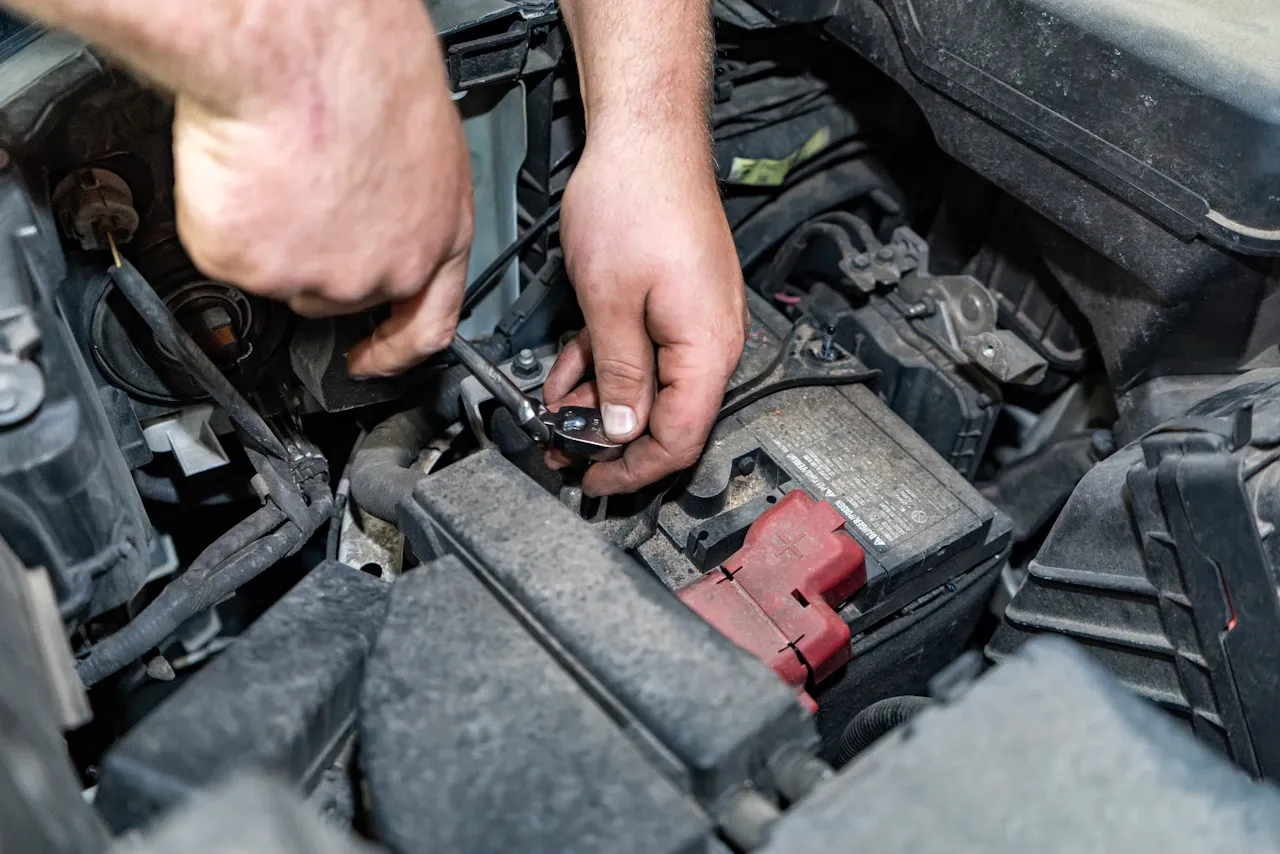
Your semi-truck starts fine after a long drive on US-23, but the next morning, the batteries barely have enough power to turn the engine over. You charge or replace them, only to find yourself dealing with the same problem a few days later.
Repeated semi-truck battery drain can indicate a parasitic electrical draw, where a component continues consuming more power than it should after the truck shuts down. Professional truck diagnostics and electrical repair can help identify the affected circuit and determine whether the problem involves excessive electrical consumption, weak batteries, or a charging system fault.
What Is a Parasitic Battery Draw on a Semi-Truck?
A parasitic battery draw occurs when an electrical component continues using battery power after the ignition is turned off. Some power consumption is normal because electronic control modules, clocks, security systems, and memory functions may require electricity while the truck is parked.
Problems begin when a component fails to shut down properly or an electrical fault allows excessive current to flow. Over several hours or days, that additional demand can drain the batteries enough to prevent the engine from starting.
Modern semi-trucks contain numerous electronic systems, which makes identifying an abnormal draw more complicated than simply disconnecting a suspected accessory. A proper diagnosis must distinguish normal standby consumption from a genuine electrical problem.
What Causes a Semi-Truck Battery to Drain Overnight?
A truck that loses battery power overnight may have an electrical component remaining active long after shutdown. However, battery condition, charging performance, and operating habits can produce similar symptoms.
Common causes of overnight truck battery drain include:
- Faulty Relays: A relay that remains energized or stuck closed can keep an electrical circuit powered.
- Electrical Accessories: Refrigerators, inverters, aftermarket lighting, and other equipment may continue drawing power while parked.
- Control Module Problems: An electronic control module that fails to enter its expected sleep state can consume excessive current.
- Damaged Wiring: Chafed insulation, corrosion, or improper connections can create unwanted electrical paths.
- Alternator Faults: A failed rectifier diode can allow reverse current flow through certain alternator designs.
- Battery Condition: Aging batteries may lose their ability to retain a charge even when the parked electrical demand is normal.
The symptoms may look identical from the driver's seat. Identifying the actual cause requires testing rather than assuming that another battery replacement will solve the problem.
How Do You Test for a Parasitic Draw on a Semi-Truck?
A semi-truck parasitic draw test measures electrical current after the ignition is off and the vehicle's electronic systems have entered their normal resting state. Technicians use those readings to determine whether excessive power consumption continues after shutdown.
1. Check Battery Condition and Charging Performance
Before measuring parasitic current, verify that the batteries are adequately charged and capable of supporting the truck's electrical requirements. Weak or damaged batteries can create misleading symptoms, particularly when multiple batteries operate together.
A starting and charging system inspection may include battery testing, terminal checks, cable inspection, and alternator output testing.
2. Allow Electronic Modules to Enter Sleep Mode
Electronic control modules do not necessarily shut down immediately when you turn off the ignition. Some continue communicating or performing scheduled functions before entering a low-power state.
Technicians must allow sufficient time for the truck's systems to settle before evaluating standby current. The required waiting period depends on the vehicle and its electrical configuration.
3. Measure the Current Leaving the Battery System
A technician can use a suitable DC current clamp or an appropriately rated electrical meter to measure current flow. The testing method must account for the truck's battery configuration and any connected accessories.
Professional truck electrical troubleshooting requires careful measurement because disconnecting batteries, opening doors, or interrupting power can wake electronic modules and change the reading.
4. Isolate the Circuit Responsible for the Draw
Once an abnormal current draw is confirmed, the next step is identifying which circuit remains active.
A technician may use wiring diagrams, circuit measurements, diagnostic software, and controlled isolation procedures to narrow the problem. The goal is to determine which component or connection is responsible without disturbing unrelated electrical systems.
Many semi-truck electrical problems involve wiring or components that require systematic testing. A targeted approach to commercial truck electrical repairs helps avoid replacing functioning parts while the original fault remains.
How Much Parasitic Draw Is Normal on a Semi-Truck?
There is no single acceptable parasitic draw amperage for every semi-truck. Normal standby consumption depends on the vehicle's electrical architecture, installed equipment, battery configuration, and manufacturer specifications.
A truck equipped with telematics, security equipment, and other electronic accessories may have different resting electrical requirements than a truck with fewer installed systems.
The proper evaluation compares measured current against the vehicle's expected standby consumption after its modules have entered sleep mode. General information about normal parasitic battery draw can explain the concept, but heavy-duty truck testing should follow the applicable manufacturer's specifications.
Even a relatively small continuous current draw can become significant when a truck remains parked for several days.
Why Does Your Semi-Truck Keep Draining New Batteries?
Replacing batteries may temporarily restore normal starting performance without correcting the underlying issue. If excessive current consumption continues, the replacement batteries can experience the same discharge cycle.
However, recurring battery failures do not automatically confirm a parasitic draw.
A complete heavy-duty truck battery diagnosis should consider several possibilities:
- Insufficient Charging: The alternator or charging circuit may not restore the energy used during starting and operation.
- Excessive Electrical Loads: Accessories may consume more power than the battery system can support during extended parking.
- Poor Connections: Corroded or loose cables can interfere with charging and starting performance.
- Battery Imbalance: Batteries connected in the same bank may have different conditions or capacities.
- Unwanted Current Draw: An electrical component may continue consuming power after shutdown.
Repeated deep discharges can also shorten battery life. Finding the original problem early helps prevent additional battery damage and unnecessary replacement costs.
Can Faulty Wiring or Control Modules Cause Battery Drain?
Yes. Wiring faults and control module problems can contribute to diesel truck electrical drain, particularly on vehicles with extensive electronic systems.
An intermittent wiring fault may cause a module to wake unexpectedly or prevent it from entering a low-power state. Moisture intrusion, damaged connectors, and previous electrical modifications can complicate the diagnosis because the problem may not occur consistently.
Electrical faults can also affect unrelated vehicle functions. For example, damaged wiring or inaccurate sensor signals may create engine management and aftertreatment problems, although these conditions do not necessarily indicate a parasitic battery draw.
Drivers experiencing recurring emissions warnings can review why semi-trucks keep requesting regeneration to better understand how sensors, wiring, and other system faults contribute to repeated DPF regen requests.
What Should You Do When Your Semi-Truck Battery Keeps Dying on US-23?
If your semi-truck repeatedly fails to start after parking, document the circumstances before arranging an electrical inspection. The pattern of battery discharge can provide useful clues about the problem.
Record the following information:
- How long the truck remains parked before the batteries become weak.
- Whether the issue occurs after overnight parking or several days of inactivity.
- Any accessories that remain powered after shutdown.
- Recent battery replacements, electrical repairs, or accessory installations.
- Warning lights, slow cranking, or unusual electrical behavior.
Avoid disconnecting random wiring or removing fuses without understanding the circuit. Modern trucks can contain sensitive electronic systems, and improper electrical testing may damage components or introduce new faults.
For owner-operators traveling between Columbus, Circleville, and Chillicothe, persistent starting problems should be investigated before another long trip. A truck that starts after a jump may still have an unresolved issue capable of causing another no-start condition.
Get Semi-Truck Battery Drain Diagnosed in Circleville, OH
Repeated battery drain deserves a complete electrical inspection rather than another temporary charge or battery replacement. Testing battery condition, charging performance, standby current, and individual circuits helps identify the cause and determine the appropriate repair.
Diesel Truck Repair provides in-shop and mobile diagnostics and electrical repair for commercial trucks in Circleville and surrounding Central Ohio communities.
More Articles

Contact Diesel Truck Repair LLC
We provide a wide range of diesel mechanic services for light to heavy-duty trucks & commercial fleet vehicles, both from our shop in Circleville, Ohio, & via mobile service to the surrounding 50 mile radius. Call now to request a quote and to request service!